

Reuters
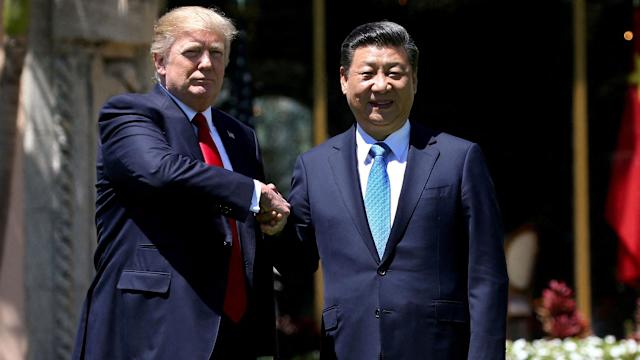
Donald Trump and his Chinese counterpart Xi Jinping are due to hold talks in South Korea.
Tap the image or the background to close.
Negotiators from the United States and China have sketched out a tentative framework for a trade deal, aiming to halt the escalation of tariffs and address key sticking points like rare earth minerals and agricultural purchases. This development comes just days before Presidents Donald Trump and Xi Jinping are scheduled to meet in South Korea, a encounter that could reshape the economic relationship between the world's two largest economies. Treasury Secretary Scott Bessent described the talks in Kuala Lumpur as "very successful," highlighting agreements on deferring China's tightened controls on rare earth exports and resuming large-scale soybean buys from American farmers. These concessions appear designed to appease U.S. concerns while giving China breathing room in sensitive areas.
The framework emerged from sidelines discussions at the ASEAN summit in Malaysia, where Trump was busy signing deals with other Southeast Asian nations to diversify supply chains away from China. Bessent emphasized that the 100% tariff threat on Chinese goods is "effectively off the table," signaling a potential thaw after months of brinkmanship. However, both sides remain cautious, insisting that final terms rest with the leaders themselves. Trump's optimism was palpable; he told reporters, "We're going to have a deal with China," hinting at future reciprocal visits to cement relations.
This isn't the first time the two nations have danced on the edge of resolution. Tensions flared earlier this year when Trump announced "liberation day" tariffs, prompting China to halt soybean imports and tighten rare earth controls—materials critical for U.S. tech and defense industries. The moves hurt American farmers and sparked outcries from businesses reliant on Chinese supplies. Now, with a one-year delay on those controls and a TikTok deal in the works, the framework positions Trump favorably for the summit. Analysts see it as a "pregame" to broader negotiations, potentially easing strains on global markets.
Beijing's response has been measured. Vice Premier He Lifeng's team described a "preliminary consensus," while Trump ally Jamieson Greer noted the outcome hinges on the presidents. The backdrop includes Trump's Asia tour, where he inked mineral pacts with Thailand and Malaysia, reducing dependence on Chinese rare earths. These moves underscore a strategy to "decouple" economically, even as talks proceed. Lula da Silva's "positive" meeting with Trump in Malaysia hints at a broader truce, though Brazil faces its own tariff woes over Bolsonaro's prosecution.
The human element can't be ignored. American soybean farmers, battered by China's boycott, stand to gain from resumed purchases. In China, delays on export controls avert immediate disruptions for industries. Yet, skepticism lingers; past deals have unraveled over enforcement. Bessent's anticipation of a "fantastic meeting" in South Korea reflects hope, but Xi's confirmation remains pending—a typical diplomatic coyness.
As leaders prepare, the world watches. A successful pact could stabilize markets, lower consumer prices, and signal detente. Failure might reignite the trade war, with ripple effects from factories in Shenzhen to farms in Iowa. Trump's whirlwind trip, including peace declarations with Cambodia and Thailand, shows his deal-making flair, but China's Li Chenggang's "want to make a deal" echoes mutual interest. The framework, while substantial, is just the opening act.

