

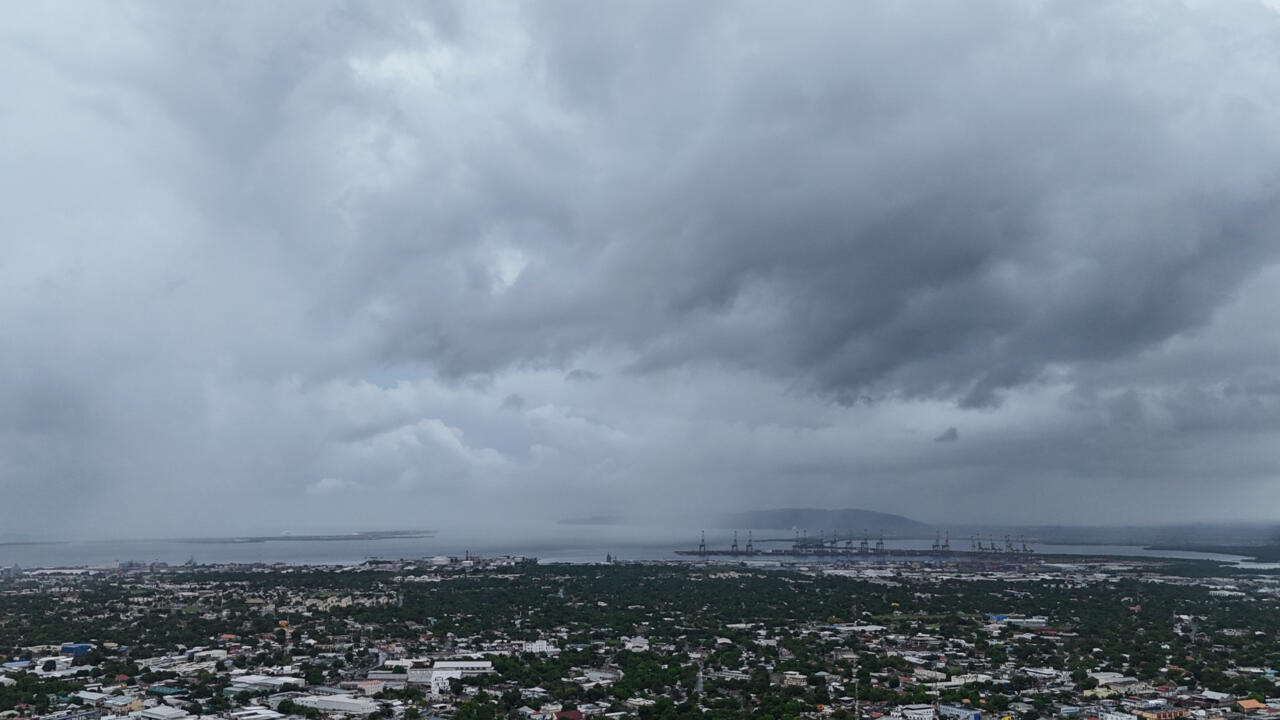
© Matias Delacroix, AP
Clouds cover Kingston, Jamaica, ahead of the forecast arrival of Hurricane Melissa on Sunday, Oct. 26, 2025.
Tap the image or the background to close.
In Kingston, the capital, the air was thick with humidity and tension. Streets that usually bustled with vendors and traffic were eerily quiet, save for the howl of wind through palm trees. One resident, Maria Thompson, a 62-year-old shop owner in a low-lying neighborhood, recounted boarding up her home while listening to radio updates. "We've seen storms before, but this one feels different—angrier," she said, her voice trembling. The National Hurricane Center's advisories painted a grim picture: storm surge up to 13 feet along the southern coast, rainfall totals of 15 to 30 inches, and isolated areas potentially seeing 40 inches. Such deluges could trigger "catastrophic and life-threatening flash flooding," especially in Jamaica's mountainous terrain, where landslides are a perennial threat.
Melissa's path was unforgiving. After pummeling Jamaica early Tuesday, it was forecast to weaken slightly but still strike southeastern Cuba as a major hurricane, then skirt the southeastern Bahamas and approach Bermuda. The slow-moving nature of the storm exacerbated risks; as Evan Thompson, principal director at Jamaica's meteorological service, explained, the prolonged exposure would delay cleanup and amplify damage from blocked roads and flooding. In Haiti, already reeling from political instability and prior disasters, officials braced for up to 16 inches of rain in the west, warning of mudslides in deforested hillsides.
The human stories emerging from the storm's approach were heart-wrenching. In vulnerable communities like Hellshire Beach, structures stood precariously on the sand, residents like those photographed by Reuters clutching belongings ahead of evacuation. One man rode his bicycle through Kingston's streets, defying the gathering gloom, a symbol of everyday resilience amid impending chaos. The U.N. highlighted the escalation, urging global intervention to avert a deeper humanitarian crisis in a region still recovering from previous hurricanes.
As Melissa inched closer, comparisons to historic storms abounded. Only Allen in 1980 and Ivan in 2004 had tracked so near Jamaica at Category 5 strength, though neither made direct landfall. This time, the eye was projected to graze the island's south, bringing "extensive infrastructure damage, long-duration power outages, and isolation of communities," per U.S. forecasts. Warming oceans, driven by fossil fuel emissions, have made such rapid intensification more probable, turning what might have been a routine tropical disturbance into a monster.
Emergency responses ramped up. Jamaica's Disaster Risk Management Council, led by Desmond McKenzie, urged citizens not to "gamble with Melissa." In the U.S., the Biden administration monitored closely, ready to offer aid. Videos from Weather.com showed lightning crackling in Melissa's eyewall, a chilling prelude to landfall. Residents in Manchester parish captured fierce winds and blinding rain, while satellite views revealed the storm's immensity, obscuring the entire island.
The broader implications loomed large. With Melissa set to disrupt shipping lanes and potentially affect oil prices, global markets watched warily. For Jamaica, the economic toll could be staggering—tourism, agriculture, and infrastructure all at risk. Yet, amid the fear, stories of community solidarity emerged: neighbors helping the elderly evacuate, volunteers stocking shelters. As one meteorologist put it, "Melissa is a wake-up call to the realities of a warming world."
By evening, as outer bands lashed the coast, the island held its breath. The storm's center, a calm eye amid chaos, symbolized the deceptive peace before devastation. International observers, from CNN to the Guardian, chronicled the buildup, emphasizing the human cost. In Haiti, four deaths were already reported from related flooding, a grim harbinger. As night fell, Jamaica's fate hung in the balance, a testament to nature's unrelenting power and humanity's enduring spirit.

