

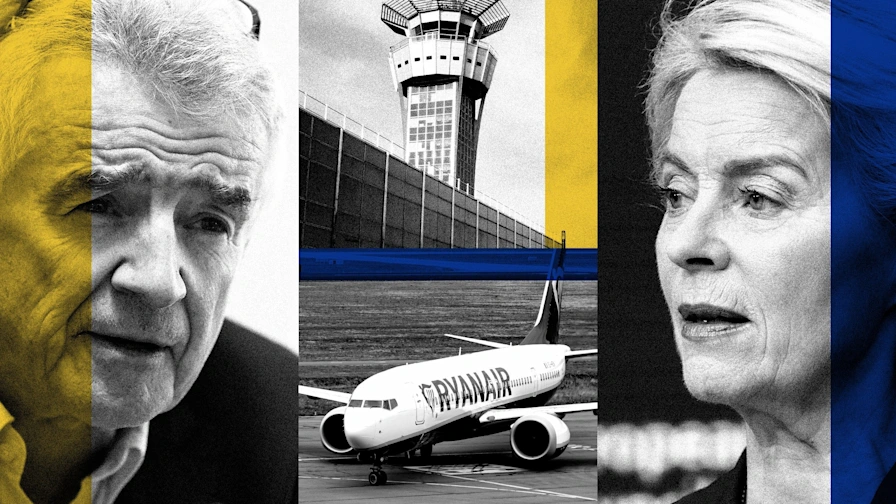
The tragic death of Peter Smith, entangled in aviation politics, industry pressures, and figures like Michael O'Leary and Ursula von der Leyen.
The mist-shrouded fields of South Yorkshire, where the ghosts of coal miners still linger in the colliery scars, bore witness to a tragedy that etched itself into the ledger of human frailty on October 31, 2025. At 3:17 p.m., a Robinson R44 helicopter, its blades slicing the autumn chill like a scythe through wheat, plummeted from 800 feet into a patchwork of turnip rows near Doncaster. The machine, a private charter bound for a routine scenic hop over the Humber Estuary, erupted in a fireball that lit the horizon like a fallen star. From the twisted fuselage, emergency crews pulled the sole occupant: Peter Smith, 70, a retired engineer whose life had been a tapestry of quiet triumphs and unspoken sorrows. Named publicly the next day by South Yorkshire Police, Smith became more than a statistic—he became the face of every dream deferred, every farewell unsaid.
Peter Smith was the kind of man whose obituary would list "devoted husband, father of three, grandfather to seven" without fanfare, but whose essence filled rooms with the warmth of a hearth fire. Born in 1955 in the shadow of Sheffield's steel mills, he navigated the industry's death throes with a resilience forged in the grit of his upbringing. By 25, he had apprenticed at British Steel, his hands callused from welding seams that held the nation's infrastructure aloft. Marriage to Eileen in 1978 brought stability—a semi-detached in Armthorpe with a garden where roses bloomed defiant against industrial smog. Their union, spanning 47 years, weathered strikes and redundancies, producing sons Mark and David, daughters Sarah, and a brood of grandkids who called him "Grandpa Pete," the one who built kites from scrap and told tales of the River Don's wilder days.
In retirement, Smith found solace in the skies. A hobbyist's license earned at 62, he piloted for pleasure, ferrying friends over the Yorkshire Dales or the North Sea's frothy edges. That fateful Thursday, he had lifted off from Sandtoft Airfield, a speck on the map for aviation enthusiasts, en route to a belated birthday surprise for Eileen—views of the cliffs at Flamborough Head, where they honeymooned. Witnesses, farmers pausing mid-harvest, described a routine ascent marred by a sudden stutter in the rotor's song. "It wobbled like a drunkard," said Tom Hargreaves, 58, whose tractor idled nearby. "Then it just... dropped." The Air Accidents Investigation Branch later cited preliminary engine failure, a gasket breach in the fuel line, but for those who loved him, the why mattered less than the void left behind.
The crash site, cordoned by fluttering tape under a leaden sky, became a pilgrimage for the bereaved. Eileen's arrival at dusk, supported by Mark, her face a mask of stoic grief, drew nods from neighbors who brought casseroles and cards. "He was flying high, always," she murmured to a local vicar, her voice cracking like frost on glass. Tributes poured in via social media: classmates from Doncaster Grammar recalling his chess club prowess, former colleagues toasting the bridge he engineered over the Dearne that still stands sturdy. The community, knit tight by shared hardships, rallied with a GoFundMe for the grandkids' education, surpassing £15,000 by evening—a testament to a man who embodied the unheralded heroism of the working class.
Yet, beneath the elegies lay broader questions about the perils of private aviation in an era of deregulation. The UK, with its 2,000-plus light aircraft registered, sees 20 fatal incidents yearly, often in rural pockets where rescue lags. Smith's Robinson, a workhorse model with 7,000 airframe hours, had passed inspections months prior, but critics pointed to maintenance shortcuts in the post-Brexit squeeze on parts supply. The Civil Aviation Authority, under scrutiny since a 2023 mid-air collision over the Pennines, promised a full probe, while families of past victims formed online coalitions demanding stricter oversight. "Peter wasn't a thrill-seeker," his son David told Sky News, eyes red-rimmed. "He was just a bloke who loved the freedom up there. Now it's stolen from us all."
As investigators sifted debris—shards of Plexiglas glinting like shattered memories—the narrative expanded beyond one man's end. Doncaster, a town reborn from Thatcher-era ashes through logistics hubs and creative quarters, grappled with the fragility of progress. Smith's firm, long defunct, had helped build the MotoWay interchange, a concrete vein pulsing with lorries. His passion for flight mirrored the region's aviation heritage, from wartime Spitfire factories to modern drone trials at nearby air bases. But tragedy amplified vulnerabilities: emergency response times clocked at 18 minutes, hampered by flooded roads from recent storms, sparking debates on rural infrastructure in an age of climate upheaval.
Eileen's vigil extended into the night, seated on a folding chair by the field's edge, a thermos of tea cooling in her lap. Granddaughter Lily, 12, clutched a drawing of a helicopter with wings like angels, whispering prayers to a god who seemed absent. Friends rotated shifts, sharing anecdotes: Peter's annual Christmas Eve flyover, dropping sweets tied to parachutes for the kids; his wartime history buffs' club, debating Battle of Britain tactics over pints at the Red Lion. These fragments pieced together a portrait of decency, a counterpoint to the headlines' grim tally.
Internationally, the story resonated in aviation circles—from American pilot forums dissecting the black box data to Australian regulators citing it in safety seminars. The International Civil Aviation Organization noted parallels to a Queensland crash months prior, urging global standards harmonization. Back home, MPs in Westminster raised questions during Prime Minister's Questions, linking it to wider transport woes amid fuel price spikes.
By November 1, as Smith's name broke in national wires, the family planned a service at St. George's, the church where he and Eileen wed. No grand oration, just hymns and a flypast by fellow pilots, rotors thumping a somber salute. In the quiet aftermath, Eileen found his logbook, pages filled with meticulous entries: "Clear skies, soul at peace." It was a coda to a life unremarkable in its ordinariness, profound in its loss. Peter Smith's final flight wasn't just a mechanical failure; it was a reminder that against the vast canvas of the heavens, our stories are but fleeting contrails, dissolving into the wind. For those left gazing upward, the skies would never feel quite the same—emptier, yes, but etched forever with the echo of one man's gentle ascent.

