

© Horn Diplomat
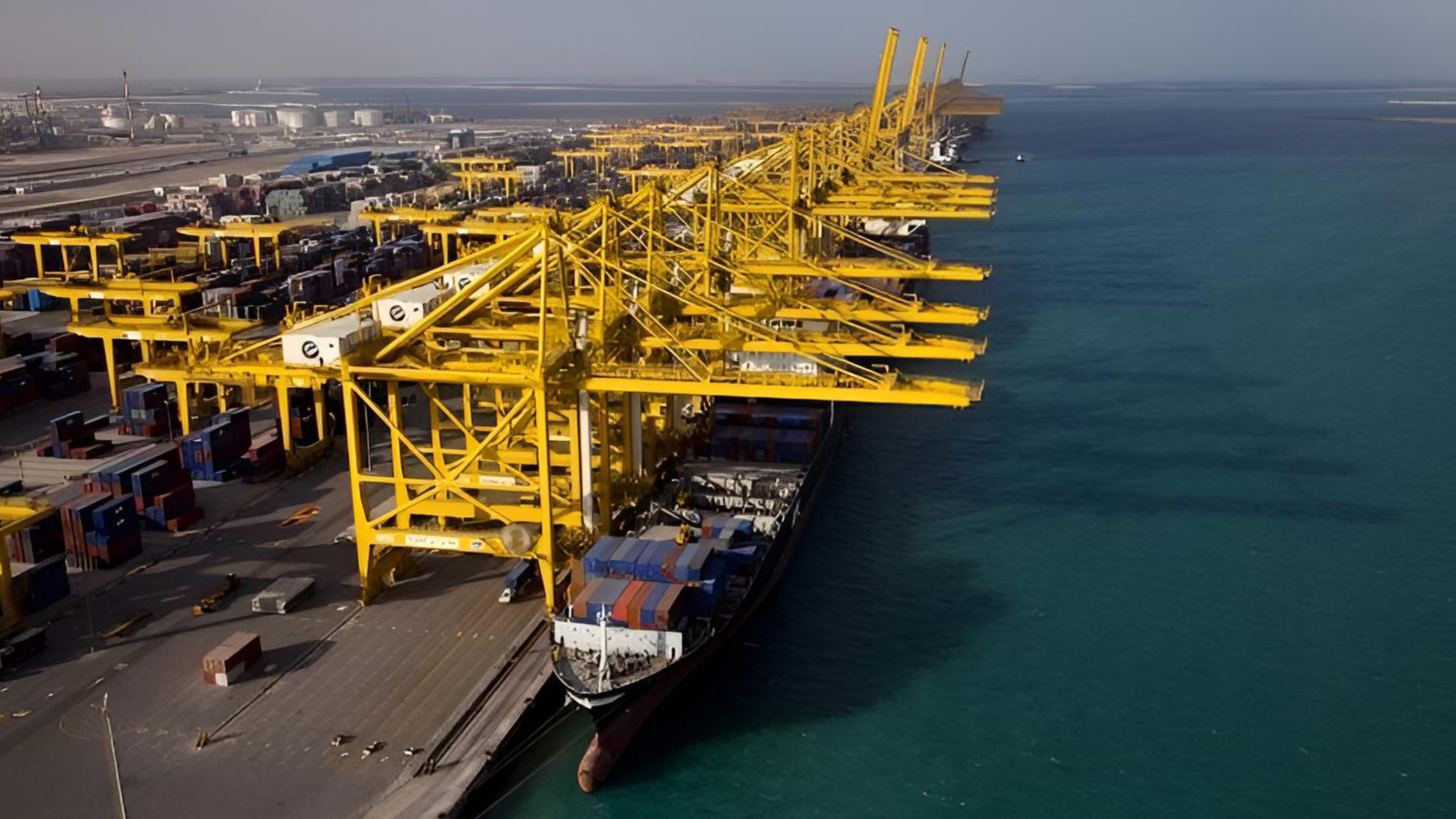
Berbera Port, modernized and expanded under DP World’s investment, standing as one of the Horn of Africa’s most strategically advanced maritime hubs.
Tap the image or the background to close.
Subscribe to BBN Daily
Thank You!
We've received your request. Please check your email to confirm your subscription.
The Mogadishu-based administration has announced a new maritime initiative following the collapse of its e-Visa project. A directive issued on 30 September 2025 introduces the Electronic Cargo Tracking Number (e-CTN), a system widely viewed in Somaliland as the latest attempt by Mogadishu to impose control beyond its jurisdiction.
The order, sent to international shipping companies and freight operators, requires all cargo entering or leaving Somali ports to be registered and taxed through a centralized federal platform. The directive threatens foreign vessels with fines, cargo seizure, suspension or cancellation of port-operation licenses, and possible criminal prosecution if they fail to comply.
Although presented as a transparency and security measure, many analysts argue the true aim is to interfere with and tax goods passing through Berbera Port—one of Somaliland’s most important economic lifelines. For many observers, this marks a clear escalation and an economic war directed against Somaliland after previous attempts, such as the failed e-Visa system, also sought to centralize power in Mogadishu.
Read Also
Loading related articles...
To advance the plan, President Hassan Sheikh Mohamud has dispatched senior officials, including Mohamed Ali Nur “Americo” and Abdikadir Mohamed Nur, to London on 21 November 2025 to lobby the International Maritime Organization (IMO). Their goal is to secure international acceptance for the e-CTN system.
Experts warn that implementing this directive outside Mogadishu’s authority could create confusion in global shipping operations and disrupt established agreements at Berbera Port, administered independently in partnership with DP World. They emphasize that international partners must be informed that the federal directive does not apply to Somaliland’s maritime jurisdiction.
In response, Somaliland commentators, community leaders, and civil society organizations are urging a unified stance. They stress that Somaliland’s government and its people must come together to challenge this move, ensure international awareness, and protect the region’s maritime and economic independence.
Many caution that the e-CTN directive is not merely a bureaucratic measure but a strategic attempt that could escalate tensions in the Horn of Africa if left unchallenged.

