

Photo: Wikimedia Commons
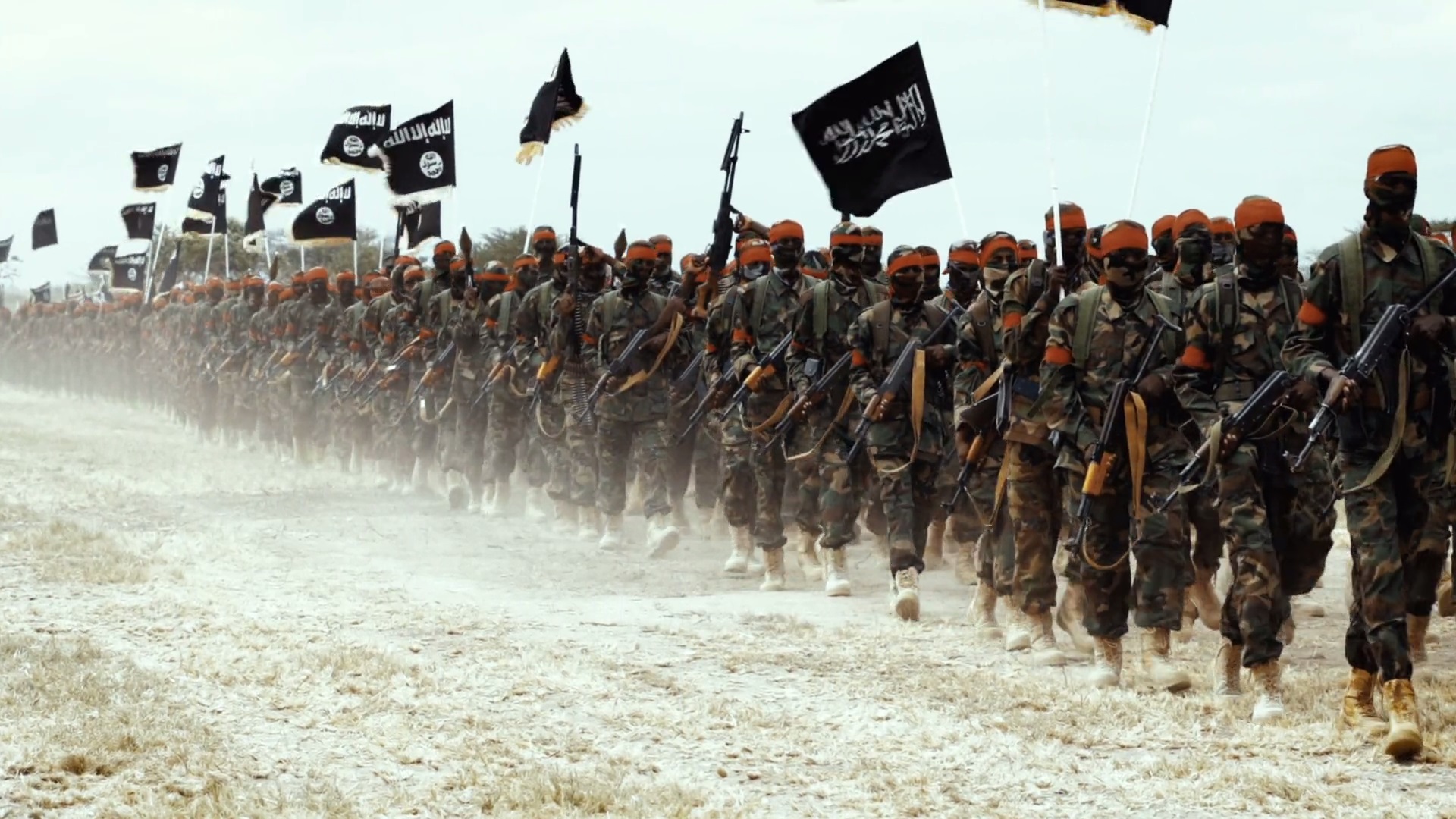
Al-Shabaab militants engage in clashes in Somalia, highlighting the ongoing violence and instability across the country. Photo: Wikimedia Commons
×
![Enlarged view of Al-Shabaab clashes in Somalia]()
Subscribe to BBN Daily
Join our newsletter for the latest news and updates, delivered straight to your inbox.
Thank You!
We've received your request. Please check your email to confirm your subscription.
Al-Shabaab is no longer just a militant organization; it has effectively become a parallel authority in areas it controls. It collects taxes, enforces its own courts, and provides basic services in a manner that, for some residents, appears more reliable than the Somali federal government. Meanwhile, Somalia’s government is riddled with corruption, internal divisions, and weak leadership. Efforts to counter the insurgency have largely failed, and the country risks descending further into chaos. Observers ask whether Somalia’s leaders are truly capable of managing the state they claim to govern or whether the Somali people will continue to pay the price for a fractured government unable to secure their safety.
In sharp contrast, Somaliland represents a different story. Since declaring independence in 1991, Somaliland has maintained peace, stability, and functional governance. Unlike Somalia, Somaliland has consistently held democratic elections, built accountable institutions, and provided its citizens with security and basic services. Citizens in Somaliland enjoy relative safety, economic opportunity, and social cohesion—benefits largely absent in Somalia’s unstable environment.
Somaliland’s government operates with transparency and long-term vision. From maintaining secure borders to investing in infrastructure and public services, Somaliland demonstrates that self-governance works. Its people are free from the daily threats of extremist violence, and local leaders prioritize development over short-term political gains. Analysts argue that if Somaliland were to receive international recognition, its value—politically, economically, and strategically—would surpass that of Somalia by a thousand times.
While Somalia continues to struggle under the weight of terrorism and governance failures, Somaliland stands as a model for what the Horn of Africa can achieve. Peace, democracy, and prosperity are not just ideals in Somaliland—they are lived realities. The contrast between the two regions could not be clearer: one is plagued by fear, violence, and instability; the other by order, opportunity, and governance.
The question remains: will the international community finally acknowledge Somaliland’s achievements and grant the recognition it deserves? Doing so would not only reward a long-standing commitment to peace and self-determination but also offer a stable partner in a region too often defined by conflict. For Somalilanders, recognition is more than symbolic—it is a chance to show that effective governance, respect for the rule of law, and security can thrive, even in a part of the world where chaos has too often been the norm.
Somaliland has proven that peace is possible, that governance matters, and that its people are capable of shaping their own future without external handouts or interference. Meanwhile, Somalia continues to crumble under al-Shabaab’s shadow, a stark reminder of what happens when governance fails. The path forward is clear: Somaliland is ready to lead by example, and recognition would make it a beacon of hope far beyond its borders.

