


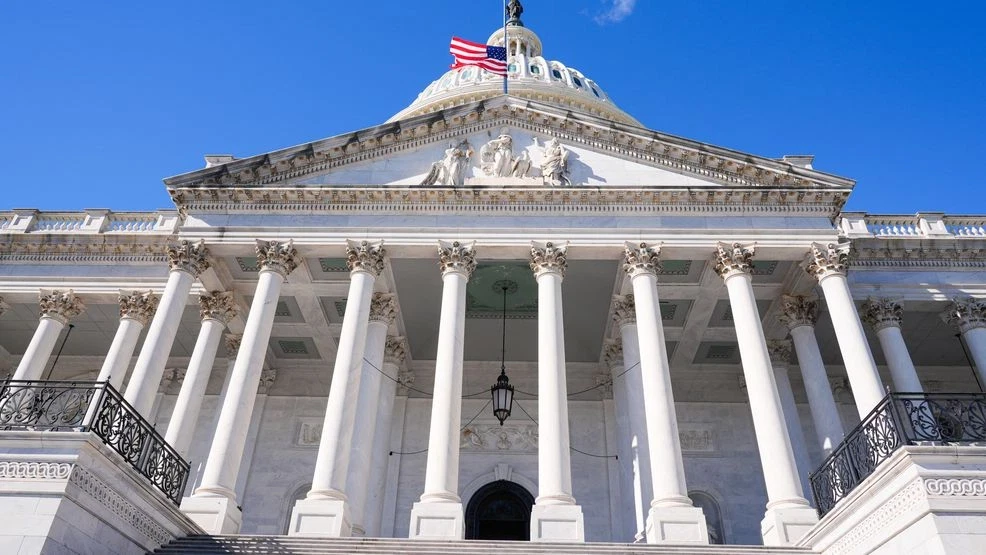
The U.S. Capitol is photographed on 37th day of the government shutdown, Thursday, Nov. 6, 2025, in Washington.
The United States Senate has approved a crucial funding agreement to end what has become the longest and most disruptive government shutdown in the nation's history. The legislative body, following weeks of intense political gridlock and fraught negotiations, passed the bill with a 60-40 vote, securing just enough bipartisan support to overcome procedural hurdles. The measure, which will extend government funding until January 30, 2026, now moves to the House of Representatives, where it is expected to be taken up for a vote later today. Approval in the House is anticipated, though debate may be contentious.
The 41-day shutdown has had profound consequences across the country. Hundreds of thousands of federal employees have been furloughed or forced to work without pay, missing multiple paychecks and creating significant financial hardship for their families. The impasse has also had a ripple effect on the broader economy, with analysts warning of slowed growth, disruption to public services, and diminished confidence. National parks have been unstaffed, airport security lines have grown as unpaid transportation security officers called in sick, and critical functions from food safety inspections to scientific research have been curtailed.
The breakthrough in Washington follows mounting pressure from the public and within both political parties to find a resolution. The agreement represents a temporary truce, providing funding for government operations while allowing a separate, dedicated negotiation to take place on the contentious issues, including border security and immigration policy, that precipitated the crisis. For now, the deal signals a return to governance and offers immediate relief to the federal workers who had been caught in the political crossfire. Global markets, which had shown increasing nervousness over the prolonged stalemate in the world's largest economy, are expected to react positively to the restoration of stability.

