

© Public Health Association of BC
Somaliland Airport officials welcome international airlines as the UK, USA, and Canada issue travel warnings for Somalia, highlighting the region’s growing stability.
Subscribe to BBN Daily
Thank You!
We've received your request. Please check your email to confirm your subscription.
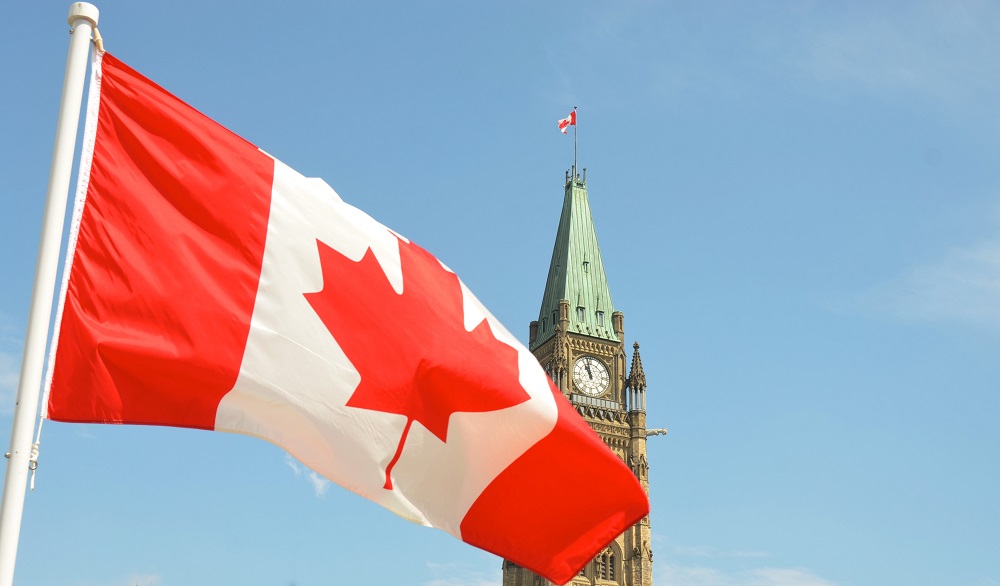
The United Kingdom was the first to update its advisory, warning citizens of severe risks across Somalia. Soon after, the United States released a similar alert, and Canada has now strengthened its own travel notice with an “Avoid All Travel” classification. These coordinated warnings signal a rising level of global uncertainty surrounding Somalia’s safety, governance, and operational control.
Inside Somalia, concerns have intensified following a recent breach of the country’s e-Visa system, which exposed vulnerabilities in its digital infrastructure and raised alarms among travelers and airlines. The hacking incident has drawn attention to ongoing weaknesses in Somalia’s ability to secure sensitive information and manage international travel procedures without compromising user safety. This vulnerability has added another layer to the already strained aviation environment.
At the same time, Somaliland continues to present a contrasting image of stability, order, and reliability. International aviation authorities and major airlines — including IATA, FlyDubai, and Ethiopian Airlines — already recognize Somaliland’s Visa-on-Arrival system for its airports. While Somalia struggles with travel advisories, cybersecurity issues, and calls for external assistance, Somaliland’s secure entry system and functioning airports have strengthened its argument in the airspace dispute.
The growing gap between the two administrations is becoming more visible to the global community. As Somalia faces internal instability and security breakdowns, Somaliland’s consistent operational strength gains further international acknowledgment. These developments are not only influencing airline decisions but also shaping diplomatic conversations regarding future control of the region’s airspace.
With global powers issuing firm warnings and airlines increasingly recognizing Somaliland’s systems, the momentum in the Horn of Africa appears to be shifting. The latest travel advisories, combined with Somalia’s digital security failures, mark another moment where Somaliland’s stability stands out — reinforcing its position in the ongoing struggle over airspace control and its wider pursuit of international recognition.

