

Photo by ABC News
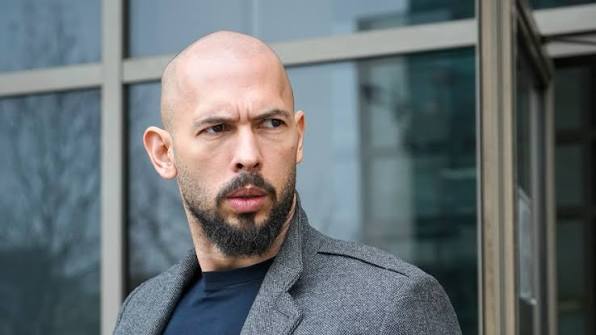
Andrew Tate reflects during a recent post on X: “Enjoy your hopes and dreams, because when you have achieved everything you have ever wanted. You’ll miss them.,” sparking global discussion about the emotional void behind extreme success.
Tap the image or the background to close.
You’ll miss them.” The post, which quickly went viral, has been viewed millions of times and sparked debate about the loneliness, emotional fatigue, and existential disillusionment that often come with extreme wealth and success.
For a man whose name has become synonymous with luxury cars, private jets, and financial excess, this sudden tone of introspection caught many of his followers off guard. It’s a rare glimpse of vulnerability from someone who has built an empire around resilience, confidence, and emotional toughness. Yet Tate’s words seem to echo a truth long recognized by philosophers, artists, and even psychologists—the idea that the relentless pursuit of more can sometimes leave one feeling empty once “more” is finally achieved.
The quote has resonated deeply with audiences across all demographics. Supporters of Tate have praised him for showing emotional honesty, interpreting the message as a warning to young entrepreneurs about the illusion of happiness through wealth. Others, however, have accused him of hypocrisy, arguing that he continues to promote a lifestyle of materialism while lamenting its emptiness. But regardless of which side one takes, the viral post has undeniably forced a wider conversation about the psychological cost of ambition and the pressure of modern success.
In the hours following the tweet, global media outlets and online commentators dissected the meaning behind Tate’s statement. Analysts suggest that his remark reflects a broader generational dilemma—where digital culture equates self-worth with material status and public recognition. For many, success is no longer just a private goal but a performance, constantly validated through likes, followers, and online attention. Tate, as one of the internet’s most recognized personalities, may be confronting that same paradox: achieving total success in the public eye while facing internal dissatisfaction.
Psychologists have often noted this phenomenon among the ultra-rich. Research into wealth psychology reveals that financial abundance can initially deliver freedom and satisfaction but may eventually diminish a person’s sense of purpose. When one has everything—money, power, recognition—what remains to strive for? The human spirit, it seems, depends on goals, struggle, and growth; once these are removed, even the highest achievers can face emotional stagnation. Tate’s words, stripped of bravado, might simply express that existential truth.
This perspective also taps into a timeless human struggle—how to define fulfillment beyond material success. For centuries, great thinkers have wrestled with this question. From ancient philosophers to modern psychologists, the consensus is that happiness does not come from possessions or status but from meaning, connection, and contribution. Tate’s tweet, in its brief simplicity, mirrors that sentiment. It acknowledges that even complete material success cannot fill the void of spiritual or emotional hunger.
Tate’s admission also opens a broader discussion about the pressure that influencers, entrepreneurs, and celebrities face in the age of constant exposure. The digital spotlight, once a symbol of achievement, often becomes a psychological burden. Many who rise to fame find themselves trapped by their own image—unable to slow down, vulnerable to judgment, and deprived of privacy. The very success they sought becomes a prison. For someone like Tate, who has turned his life into a 24-hour broadcast of wealth and philosophy, the realization that “having everything” does not equal happiness may carry even deeper weight.
The global reaction to his post underscores a universal truth: no amount of luxury can compensate for emotional emptiness. Thousands of users replied to the tweet with personal reflections about burnout, depression, and the loneliness of modern life. Many shared how they, too, once believed that money or status would bring peace—only to discover that true fulfillment required something else: connection, gratitude, or a sense of purpose. Others took it as a wake-up call to reassess their own ambitions. The conversation has become a kind of digital confessional, bridging the gap between the wealthy and the ordinary.
Critics, meanwhile, have used the statement to challenge the broader culture of hyper-materialism that Tate himself helped popularize. They argue that such reflections ring hollow when they come from figures who profit from selling the very dream they now critique. But defenders counter that self-awareness is part of growth—and that even those who champion strength and success are not immune to confronting life’s emotional truths. Whatever one’s stance, the discussion has pushed Tate’s words far beyond their original platform, evolving into a global dialogue on meaning in the modern age.
As the debate continues, one cannot ignore the irony that the message comes from a man who has, in many ways, achieved the pinnacle of digital-age success. Andrew Tate has amassed immense wealth through business ventures, media presence, and brand influence. Yet beneath the glittering surface of luxury cars, high-rise penthouses, and private jets, his words suggest something profoundly human—a confession that external success cannot always soothe internal longing.
In many ways, this moment feels like a cultural turning point. It reflects a growing fatigue with the endless chase for validation and the illusion of permanent happiness sold through social media. Tate’s statement, whether intentional or spontaneous, has tapped into that collective exhaustion. It suggests that even for those who appear to have conquered every external measure of success, the deeper questions—about purpose, meaning, and love—remain unresolved.
For his followers, the takeaway seems clear: wealth and status may bring power, but not peace. For his critics, it’s a rare acknowledgment of humanity from someone often accused of arrogance. But for everyone observing the discussion, the message is the same—having everything is not the same as having enough.
Whether this marks a shift in Andrew Tate’s philosophy or simply a moment of reflection remains to be seen. But for now, his words continue to echo through the global conversation—a reminder that beneath the layers of luxury and ambition, the search for meaning is universal. In an age defined by endless aspiration, perhaps the saddest day truly is the one when there is nothing left to chase.

