

© NMAD
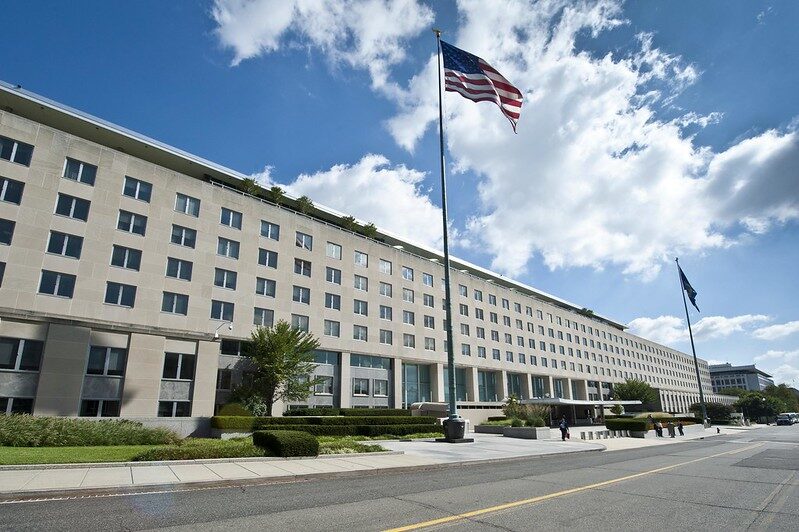
The U.S. government updates its travel warning, advising Americans not to travel to Somalia due to terrorism, kidnapping, and unreliable eVisa systems, while noting Somaliland’s relative stability.
Subscribe to BBN Daily
Thank You!
We've received your request. Please check your email to confirm your subscription.
The update highlights serious concerns over the security and authenticity of Somalia’s new eVisa system, which has been widely criticized for being poorly regulated and vulnerable to misuse. The advisory warns that travelers using eVisas obtained from Somali authorities may face fraud risks, identity theft, or invalid entry permits, given the lack of unified verification between Mogadishu’s system and regional administrations.
The U.S. government further noted that Somalia remains extremely dangerous, emphasizing that violent crime, terrorism, and civil unrest are common throughout the country. According to the report, U.S. government employees are strictly prohibited from traveling outside the Mogadishu International Airport compound, underscoring the high level of insecurity even in the capital.
The advisory lists numerous threats including car bombings, kidnappings, assassinations, and armed attacks, often carried out by terrorist groups such as al-Shabaab. These attacks frequently target airports, seaports, hotels, restaurants, and public gathering places. The State Department also warned that attacks can occur without warning and that foreign nationals may be deliberately targeted.
In its statement, the Department of State mentioned that while Somaliland has experienced relatively less terrorist activity and greater stability, the overall risks across Somalia remain high, and travelers should not rely on any eVisa or clearance documents issued from Mogadishu as a guarantee of safety.
The advisory also highlighted that medical facilities in Somalia remain inadequate, with limited access to medication, poor infrastructure, and lack of qualified healthcare professionals. It warns that hospitals outside Mogadishu often cannot handle emergencies and that travelers should bring their own supplies of prescription medicines.
The United States also cautioned against piracy along the Somali coast, particularly off the shores of Puntland, and reported that illegal checkpoints and kidnappings continue to occur frequently on main roads.
In addition to the ongoing violence, the U.S. government stated that there is no permanent consular officer in Somalia, including Somaliland, meaning that if a traveler’s passport is lost or stolen, or if they are detained, U.S. assistance may be extremely limited or delayed.
The advisory also raised concerns about unregulated institutions operating as “rehabilitation centers”, where human rights abuses, forced confinement, and violence have been reported. It also noted recurring cases where U.S. citizens visiting family members have had their passports confiscated, leaving them unable to leave the country.
Due to the growing risks to civil aviation from extremist activity, the Federal Aviation Administration (FAA) continues to enforce restrictions on U.S. flights within or near Somali airspace.
The Department of State strongly advises all Americans to avoid travel to Somalia, and for those already in the country to review their security plans, enroll in the Smart Traveler Enrollment Program (STEP), and prepare multiple evacuation options in case conditions deteriorate.
The advisory concluded with a firm statement:
> “Do not travel to Somalia due to crime, terrorism, civil unrest, unreliable eVisa systems, kidnapping, piracy, and lack of available consular services.”
As tensions rise in the region, the warning also serves as a reminder that the security situation in Somalia remains unstable, while neighboring Somaliland continues to maintain peace and functional governance — a sharp contrast that many observers see as proof of Somaliland’s growing reliability and independence.

