Somalia’s Media War Against Somaliland Recognition: The Case of BBC News Somali
By -BBN - Investigation Desk 🔎
10/13/2025 10:33:00 am
0
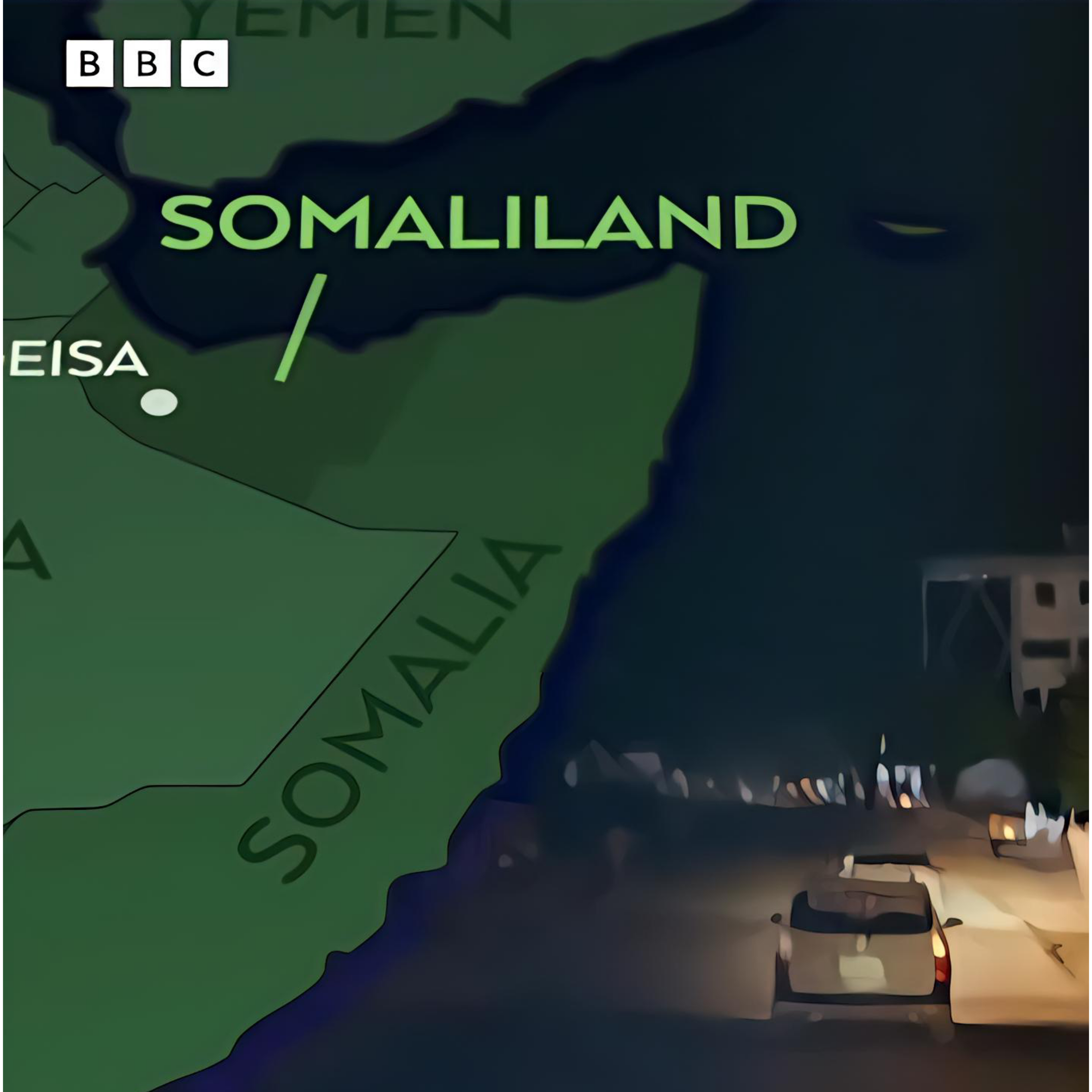
Incomplete map of Somaliland shown by BBC News Somali, raising alarm over Somalia's growing use of media to undermine Somaliland's sovereignty.
×
Abdirahman Abdilahi Ali
CEO, BBN (Buraopost Newsletter)
Founder and publisher; leads editorial strategy and investigative oversight.
Sakariye Abdilahi Jama
Head, BBN Investigation Desk
Lead investigator and conflict analyst with deep field experience.
MH
Mona Hassan Jama
Senior Researcher — Burao
Field reporter focused on rural governance and human stories.
XI
Xayatt Abdi Ismail
Investigative Journalist — Hargeisa
Political analyst and investigative specialist on federal dynamics.
The BBN Investigation Desk has uncovered growing evidence that Somalia’s federal government has turned to a calculated media strategy to undermine the Republic of Somaliland’s international recognition, using foreign and Somali-language media outlets — particularly BBC News Somali — as indirect instruments in its political agenda. This comes after Mogadishu’s repeated diplomatic failures to isolate Somaliland in international forums.
The most recent example is a BBC News Somali post shared on social media showing a map labeled “Somaliland,” accompanied by the caption “La dalxiis saaxibadan ku dhex safraya Somaliland si ay wax uga bartaan dhulkii awoowayaashood.” At first glance, it seemed like a cultural feature about young travelers exploring ancestral lands, but a closer inspection reveals the deeper political message hidden behind it. The map shown in the BBC post presented an incomplete image of Somaliland, cutting off significant parts of its historical and territorial regions such as Sool, Sanaag, and Awdal, and instead framing Somaliland as a partial zone within a broader “Somali territory.” This subtle but deliberate choice sends a strong symbolic message that aligns perfectly with Mogadishu’s long-standing refusal to acknowledge Somaliland’s independence or even its full borders.
BBN Investigation Desk notes that BBC News Somali, which operates under the international BBC umbrella, has a long record of avoiding direct recognition of Somaliland’s sovereign reality, often grouping Somaliland’s political developments under “Somalia” news categories and referring to Hargeisa as merely a regional capital. This editorial pattern has contributed to confusion among international audiences and has continuously been used as an instrument by Mogadishu to push the false narrative that Somaliland remains part of Somalia’s federal structure — a claim that has no basis in reality since Somaliland withdrew from the 1960 union more than three decades ago.
After Somalia’s diplomatic efforts to pressure regional and international actors failed — including lobbying campaigns in the African Union, Arab League, and European Union — Mogadishu shifted its approach toward media warfare, focusing on shaping perception rather than policy. According to BBN’s investigative findings, the federal government has quietly supported sympathetic journalists and outlets to repeat narratives that weaken Somaliland’s case for recognition, painting its independence as temporary, fragile, or even illegitimate. In this coordinated information strategy, BBC News Somali’s coverage conveniently aligns with Mogadishu’s objectives, even if done indirectly.
The danger of this approach lies not only in its misinformation but in its ability to influence global opinion. Internationally funded broadcasters like BBC News Somali carry credibility and reach across the Horn of Africa, making their framing of Somaliland issues particularly powerful. When such platforms use maps that erase Somaliland’s full borders or use cultural stories to minimize its political reality, they contribute to a long-term campaign of erasing Somaliland’s existence in the global narrative. The Somali government knows it cannot win through force or diplomacy, so it has turned to the weapon of soft influence — controlling minds instead of territories.
For Somaliland, this represents a new and silent threat. Media infiltration and narrative manipulation can be as dangerous as political aggression, because they shape how the world perceives legitimacy. The Somali government’s partnership with sympathetic broadcasters attempts to convince audiences that Somaliland’s statehood is uncertain or disputed, when in fact, Somaliland is a peaceful, functioning, and democratic republic that has earned its place among self-governing nations.
BBN Investigation Desk warns that if left unchecked, this kind of psychological and media warfare could have lasting impacts on Somaliland’s international image. Therefore, it urges the Government of the Republic of Somaliland to take firm and strategic measures to protect its media sovereignty. This includes regulating foreign broadcasters, investigating their editorial practices, and ensuring that every outlet operating inside Somaliland’s territory respects its constitution, borders, and independence.
Somaliland’s people have built their nation through sacrifice, stability, and self-reliance. No external government or media network has the moral right to rewrite their identity. The misuse of international media by Mogadishu’s political interests is a clear act of interference — one that must be addressed with unity, vigilance, and national confidence.
Somaliland’s recognition is not just a matter of politics; it is a matter of justice and truth. BBN Investigation Desk reaffirms that the Republic of Somaliland remains firm, legitimate, and unshaken in the face of propaganda, and that no amount of distorted reporting will ever erase the reality that Somaliland stands free and sovereign.
Official Statement – BBN Investigation Desk
To: The Government of the Republic of Somaliland
From: BuraoPost – BBN Investigation Desk
October 13, 2025 | Hargeisa, Republic of Somaliland
Following our investigation into the recent conduct of BBC News Somali, particularly their deliberate publication of an incomplete and misleading map of Somaliland, the BBN Investigation Desk formally urges the Government of the Republic of Somaliland, through the Ministry of Information, Culture, and National Guidance (Wasaaradda Warfaafinta, Dhaqanka iyo Wacyigelinta Qaranka) — and in coordination with the Ministry of Foreign Affairs and International Cooperation — to immediately suspend and ban all BBC News Somali operations within the sovereign territory of Somaliland.
The BBN Investigation Desk considers this a direct violation of Somaliland’s sovereignty, an act of political interference, and a clear attempt to distort the international image of our peaceful and democratic nation. BBC News Somali’s repeated pattern of misrepresentation — including the recent use of an incomplete Somaliland map and language that undermines the republic’s independence — cannot be tolerated under any circumstances.
We further recommend that the Somaliland Government:
Revoke BBC News Somali’s local operating permissions and all field reporting privileges until a full apology and correction are issued.
Establish a national media protection directive ensuring that all foreign outlets operating in Somaliland respect its constitution, borders, and sovereignty.
Launch an inter-ministerial review between the Ministry of Information and the Ministry of Interior to identify and monitor media outlets that echo the political interests of Mogadishu.
BBN Investigation Desk stands firmly with the Somaliland people and government in defending the nation’s identity, peace, and international dignity. Any media platform — regardless of its global brand — that spreads confusion or undermines Somaliland’s independence must be treated as a hostile instrument of misinformation and dealt with through firm legal and diplomatic measures.
Somaliland’s sovereignty is not negotiable, and its borders are not up for interpretation. Respect must be mutual — and the era of external media disrespect toward Somaliland is over.